Trump-Iran Ceasefire: Will Easing Geopolitical Risk Fuel a Crypto Risk-On Rally?
De-escalation in the Strait of Hormuz lowers oil risk, shifting macro liquidity toward risk assets.

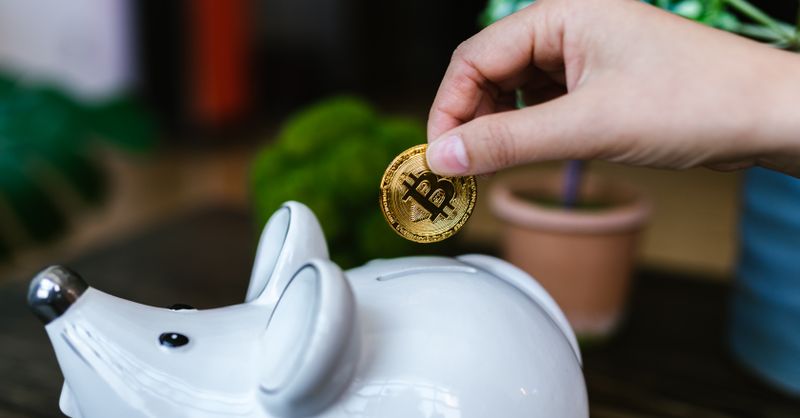
Photo by Alesia Kozik on Pexels
Executive summary
According to a report by BeInCrypto, a proposed deal brokered by the Trump administration aims to reopen the Strait of Hormuz and ease global oil supply risks, while deferring more complex issues like nuclear enrichment and missile development to future negotiations. This development represents a temporary geopolitical ceasefire rather than a comprehensive resolution, but its immediate impact on global energy markets is significant. By reducing the geopolitical risk premium embedded in crude oil prices, the agreement has the potential to alter global macroeconomic dynamics.
For the cryptocurrency market, this geopolitical shift carries indirect but powerful implications. Historically, periods of heightened geopolitical tension in the Middle East have triggered short-term "risk-off" behavior, temporarily depressing crypto trading volumes and asset prices as capital flees to defensive havens like gold or cash. Conversely, a credible de-escalation path reduces volatility in traditional markets, setting the stage for a return of capital to high-beta risk assets, including Bitcoin and major altcoins.
Why it matters
The primary transmission mechanism from a Trump-Iran deal to the crypto market is global liquidity. Lower oil prices directly reduce headline inflation expectations. When energy costs decline, central banks—particularly the US Federal Reserve—gain greater policy flexibility to pursue rate cuts or maintain accommodative monetary stances. This expansion of global M2 liquidity is historically the single most reliable driver of sustained cryptocurrency bull markets. A reduction in energy-driven inflation pressures could accelerate capital flows into digital assets, accompanied by a notable rise in daily spot trading volumes.
Furthermore, this event tests the prevailing market narratives surrounding Bitcoin's asset class identity. During active conflicts, proponents often pitch Bitcoin as "digital gold"—a sovereign-resistant safe haven. However, empirical market structure data suggests that Bitcoin behaves primarily as a high-beta liquidity play. If geopolitical tensions ease and oil prices stabilize, any minor safe-haven premium Bitcoin held may dissolve, but this loss is likely to be vastly offset by a broader risk-on regime. Institutional allocators, reassured by a more stable macroeconomic backdrop, are more likely to deploy capital into digital asset investment products, boosting liquidity and trading volume across major exchanges.
What to watch — next 72 hours
Tick off what you've already checked — saved on this device.
Bottom line
The most likely outcome is a sustained, moderate risk-on expansion for crypto assets (60% probability), driven by lower energy-driven inflation and subsequent global liquidity easing. The single biggest risk to this outlook is a breakdown in compliance leading to a sudden oil price shock. Over the next 72 hours, market participants should closely monitor WTI crude price levels and Bitcoin spot trading volumes on major exchanges to gauge the strength of the risk-on transition.
Tagged
Verified coin links
Matched to the highest-ranked CoinGecko listing — always double-check the contract address before trading; impostor tokens reuse real names.
Evidence & Sources
How we reached this analysis — traceable to verifiable data, not model guesswork.
- Primary source
- BeInCrypto
- Verified data
- Historical moves checked against real Coinbase price data (3 events).
- Track record
- Graded against the real market move when we still published forecasts. We stopped — see how we work now. .
- AI confidence
- 75/100 — an estimate, not a guarantee.
- Published
- Jun 15, 2026 · accuracy last checked Jul 15, 2026
For information and analysis only — not financial advice. We are an analysis platform, not a broker, financial adviser, or seller of any asset, and we never tell you to buy or sell. Our scenario probabilities are editorial estimates developed through a combination of data analysis, automated research tools, source verification, and human editorial oversight. They may be incorrect and are not investment recommendations. Crypto is high-risk and you can lose everything — always conduct your own research before making financial decisions.
More analysis
Related analysis
Dogecoin's Ratio to Bitcoin: A Potential Altcoin Signal?
Crypto analyst Josh Olszewicz highlights technical patterns in the Dogecoin-to-Bitcoin ratio, suggesting a potential reversal from its long-term decline. Historically, such shifts in DOGE/BTC have sometimes preceded broader altcoin market rallies, making this observation relevant for wider market dynamics.

Bitcoin Rally Pushes Price Towards $80,000 Amid Broader Market Gains
Bitcoin is nearing $80,000 after a three-day rally, with Ethereum also showing strong performance. This surge appears driven by a mix of political developments, Treasury actions, ETF inflows, and short covering.

US Treasury Bond Buybacks: What it Means for Crypto Liquidity
The US Treasury has announced plans to expand its long-term bond buyback operations, a move aimed at improving market liquidity. This policy shift is seen by some analysts as a potential catalyst for risk assets, including Bitcoin, by reducing the appeal of government debt and potentially lowering yields.

What Does Trump's Hyperliquid Comment Mean for US Crypto Derivatives?
Former President Trump stated that the CFTC is working to bring Hyperliquid, an offshore perpetual futures platform, into the US in a compliant manner. This comment, made during a meeting with crypto industry leaders, sparked significant market reaction, including price surges for related tokens and substantial short liquidations.

Bitcoin Breaks $70K as Crypto Market Cap Swells
Bitcoin surged past the $70,000 mark, reaching a two-month high. This rally propelled the total cryptocurrency market capitalization by over $200 billion in less than 24 hours, with major altcoins like Ethereum and HYPE also experiencing significant gains.

Tokenized Equities Triple Market Share: A Catalyst for RWA Protocols or Niche Growth?
Tokenized equities have tripled their market share to 15%, reaching $2.8 billion, driven by platforms like Ondo and Binance. While this highlights growing interest in Real World Assets (RWAs), the modest absolute market size suggests a contained immediate impact on the broader crypto market, with potential for specific RWA tokens.