Robinhood Founder's Seed Phrase Leak: Meme Coin Pump-and-Dump on Robinhood Chain
Exploitation of a personal security lapse led to a rapid meme coin price surge and subsequent crash, highlighting risks in decentralized ecosystems.

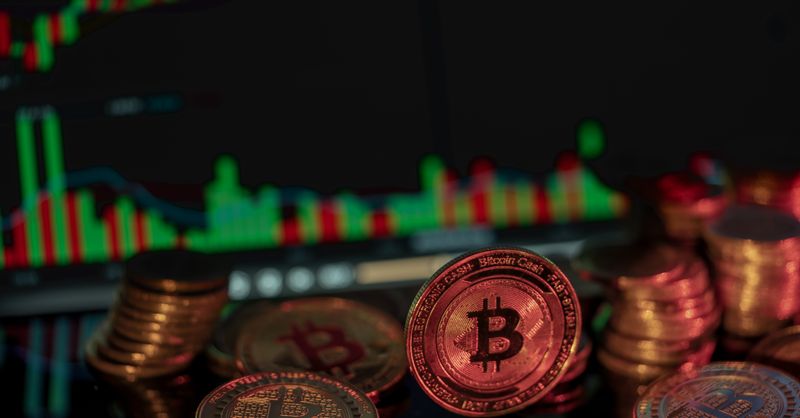
Photo by Roger Brown on Pexels
Executive summary
Robinhood co-founder Vlad Tenev's mnemonic phrase was reportedly exposed during a livestream, granting a malicious actor access to his associated cryptocurrency wallet. This breach allowed the attacker to rapidly acquire a meme coin, identified as $1, on the Robinhood Chain. The hacker's actions triggered a 'pump-and-dump' scheme, inflating the token's market capitalization from an estimated $500,000 to $14 million within a short period. The event generated approximately $20 million in trading volume over two hours before the price collapsed.
Following the manipulation on the Robinhood Chain, the hacker reportedly moved to the BNB Chain. There, they allegedly issued a new token and engaged in further buy/sell operations, ultimately liquidating their holdings. The incident underscores the inherent risks associated with personal key management in decentralized environments and the potential for rapid value extraction through coordinated market manipulation, even when initiated by a single compromised entity.
Why it matters
This event's primary market impact is contained within the specific ecosystem of the Robinhood Chain and related meme coin speculation. While the breach itself is a significant security lapse, its direct capital flow implications are limited to the funds involved in the $1 token trade and subsequent BNB Chain activities. The rapid inflation and subsequent crash of the meme coin, generating $20 million in volume, represent a concentrated liquidity event rather than a systemic market shock. The hacker's ability to quickly exit positions and move to another chain highlights the challenges in real-time asset recovery and regulatory oversight in DeFi.
Historically, such events tend to foster a short-term 'risk-off' sentiment specifically within the meme coin sector and potentially on smaller, less-established L1s like the Robinhood Chain. However, the broader market impact on major assets like Bitcoin and Ethereum is likely to be negligible, especially given current market conditions characterized by fear (Crypto Fear & Greed Index at 28) and modest ETF inflows. The incident serves as a branding risk for Robinhood's blockchain efforts and a cautionary tale for users regarding personal security practices, rather than a catalyst for significant capital flight or institutional behavior change. The beneficiaries are primarily the hacker, while the losers are the retail investors who entered positions at inflated prices. The event does not fundamentally alter token demand for established cryptocurrencies.
What to watch — next 72 hours
Tick off what you've already checked — saved on this device.
Bottom line
The leak of Robinhood founder Vlad Tenev's seed phrase enabled a hacker to execute a meme coin pump-and-dump on the Robinhood Chain, generating $20 million in volume before a price collapse. While a significant security lapse and a branding risk for Robinhood, the event's market impact is largely contained to speculative meme coin trading and the affected chains. The most likely outcome is a negative sentiment shift within this niche, with minimal effect on major cryptocurrencies like BTC and ETH, which are currently supported by positive ETF flows. The primary risk is further exploitation by the perpetrator on other networks. Confidence in this assessment is medium, given the event's isolated nature and the current market's resilience to minor incidents.
Tagged
Verified coin links
Matched to the highest-ranked CoinGecko listing — always double-check the contract address before trading; impostor tokens reuse real names.
Evidence & Sources
How we reached this analysis — traceable to verifiable data, not model guesswork.
- Primary source
- panewslab
- AI confidence
- 75/100 — an estimate, not a guarantee.
- Published
- Jul 13, 2026
For information and analysis only — not financial advice. We are an analysis platform, not a broker, financial adviser, or seller of any asset, and we never tell you to buy or sell. Our scenario probabilities are editorial estimates developed through a combination of data analysis, automated research tools, source verification, and human editorial oversight. They may be incorrect and are not investment recommendations. Crypto is high-risk and you can lose everything — always conduct your own research before making financial decisions.
More analysis
Related analysis

Dogecoin's Ratio to Bitcoin: A Potential Altcoin Signal?
Crypto analyst Josh Olszewicz highlights technical patterns in the Dogecoin-to-Bitcoin ratio, suggesting a potential reversal from its long-term decline. Historically, such shifts in DOGE/BTC have sometimes preceded broader altcoin market rallies, making this observation relevant for wider market dynamics.
BounceBit to abandon its blockchain after $3 million exploit
BounceBit, a bitcoin restaking and yield platform, is discontinuing its Layer 1 blockchain and moving to BNB Chain following a $3 million exploit. The incident, caused by an authorization flaw in its Evmos-based stack, led to the unauthorized transfer of 286.5 million BB tokens. BounceBit plans to reissue tokens based on a pre-attack snapshot to mitigate user losses.

Solana Security Contest Missed Earlier Disclosed Clock Attack
Researchers presented a Solana clock attack at USENIX Security, which they had privately disclosed months earlier. The network's recent $50,000 Alpenglow security contest appears to have excluded this specific vulnerability, as its rules focused on the new consensus mechanism and its transition.

HTX Dusting Attack Sparks Account Freeze Concerns — Broader Market Impact Limited?
HTX experienced a dusting attack where unsolicited USDT deposits triggered account freezes for some users, coinciding with upcoming Binance restrictions. While this highlights exchange operational risks and potential user friction, the immediate impact on broader capital flows and institutional behavior appears minimal.

Altcoin Divergence Amidst BTC Slip: Macro Catalysts or Sector Rotation?
Dogecoin and BNB posted modest gains, leading some major altcoins higher, while Bitcoin experienced a slight decline. This divergence occurs ahead of the critical U.S. CPI report, with rising oil prices and mixed institutional ETF flows contributing to market uncertainty.

XRP Bridge Exploit: Isolated Incident or Broader Trust Erosion?
An exploit on the Coreum bridge resulted in the loss of nearly 200,000 XRP tokens, reportedly due to a relayer software vulnerability, not the XRP Ledger itself. This event coincided with a broader market downturn, pushing XRP below $1, raising questions about third-party infrastructure risks for connected assets.