Post-Collapse Altcoins: Can $12B Market Cap Sustain Network Operations?
Evaluating the long-term viability of 10 major networks trading 97% below all-time highs.

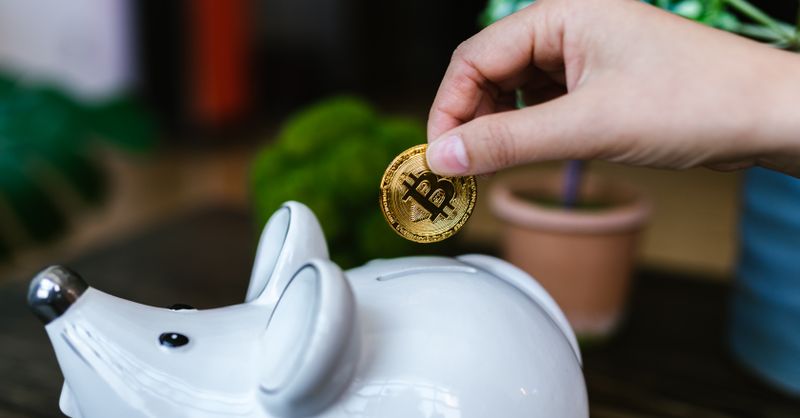
Photo by AlphaTradeZone on Pexels
Executive summary
Ten once-leading cryptocurrency networks now collectively hold a market capitalization of $12.06 billion, representing an average decline of 97.13% from their all-time highs. This significant drawdown raises critical questions about the sustainability of their operational models, which rely heavily on token issuance for funding security, developer grants, and network expansion. As token prices have plummeted, the value generated by new token emissions has diminished substantially, leading to increased dilution for existing holders without a corresponding increase in demand.
The fundamental issue is whether these networks can transition from a model dependent on rising token prices to one supported by actual user-generated revenue. Current funding mechanisms, including validator rewards and treasury spending, function optimally during bull markets. However, with current valuations, the same issuance rates produce insufficient capital, exacerbating dilution and supply pressure. The critical test is whether these networks can remain self-sustaining if their tokens never reclaim previous price levels.
Why it matters
This situation directly impacts capital flows and liquidity by questioning the underlying economic activity of these networks. Historically, robust token prices have subsidized network security and development. With a 97% collapse, the value of these subsidies is drastically reduced. This forces a re-evaluation of their funding models, shifting focus to user fees and utility. The ability of these networks to generate sufficient on-chain activity and transaction fees to cover operational costs, including validator rewards and development grants, is paramount. If fees do not cover these expenses, networks may face a deficit, potentially leading to reduced security budgets, slower development, or increased reliance on foundation reserves, which are themselves diminishing in dollar terms.
Institutional behavior is unlikely to be directly impacted in the short term, as these assets are already significantly devalued and may be considered speculative or distressed. However, for any potential future recovery or adoption, demonstrating a sustainable economic model is crucial. Market structure reactions could include further token supply inflation as networks attempt to cover costs with more emissions, or governance changes aimed at increasing fee capture or reducing expenses. The primary beneficiaries of the current situation are those who can acquire these tokens at distressed prices, assuming a future recovery. However, the immediate concern is the operational solvency of the networks themselves, which directly affects the utility and long-term prospects of their respective ecosystems.
What to watch — next 72 hours
Tick off what you've already checked — saved on this device.
Bottom line
The most likely outcome is a mixed performance, with some of these 10 altcoins finding a path to sustainability through increased user utility, while others continue to struggle with funding deficits, leading to further dilution and price pressure. The probability of this outcome is approximately 40%. The single biggest risk is a continued lack of adoption and on-chain activity, which would invalidate any recovery thesis. Investors should watch for concrete increases in network fees and successful implementation of utility-driven revenue models across these projects.
Verified coin links
Matched to the highest-ranked CoinGecko listing — always double-check the contract address before trading; impostor tokens reuse real names.
- Algorand ALGOOfficial site CoinGecko
- Internet Computer ICPOfficial site CoinGecko
- Filecoin FILOfficial site CoinGecko
- Polkadot DOTOfficial site CoinGecko
- Avalanche AVAXOfficial site CoinGecko
- Flare FLROfficial site CoinGecko
- Ethereum Classic ETCCoinGecko
- Worldcoin WLDOfficial site CoinGecko
- Pi Network PIOfficial site CoinGecko
Evidence & Sources
How we reached this analysis — traceable to verifiable data, not model guesswork.
- Primary source
- CryptoSlate
- Verified data
- Historical moves checked against real Coinbase price data (1 event).
- AI confidence
- 65/100 — an estimate, not a guarantee.
- Published
- Jul 25, 2026
For information and analysis only — not financial advice. We are an analysis platform, not a broker, financial adviser, or seller of any asset, and we never tell you to buy or sell. Our scenario probabilities are editorial estimates developed through a combination of data analysis, automated research tools, source verification, and human editorial oversight. They may be incorrect and are not investment recommendations. Crypto is high-risk and you can lose everything — always conduct your own research before making financial decisions.
More analysis
Related analysis
Dogecoin's Ratio to Bitcoin: A Potential Altcoin Signal?
Crypto analyst Josh Olszewicz highlights technical patterns in the Dogecoin-to-Bitcoin ratio, suggesting a potential reversal from its long-term decline. Historically, such shifts in DOGE/BTC have sometimes preceded broader altcoin market rallies, making this observation relevant for wider market dynamics.

Bitcoin and XRP See Strong Weekly Close: What Drove the Moves?
Bitcoin and XRP have reportedly achieved their strongest weekly close this year, attributed to a significant short squeeze and positive policy signals from Washington. On-chain data is also cited as indicating a potential market bottom. This analysis explores the reported drivers and what these developments might mean.

Altcoins Test Key Resistance After Recent Price Surges
Several major altcoins, including ETH, XRP, ADA, BNB, and HYPE, experienced notable price increases this week, with some posting gains of 10% to 31%. These rallies have brought them to crucial resistance levels, where their ability to convert these points into support will dictate short-term market direction.

XRP Outperforms Top 100 Cryptocurrencies
XRP has become the top-performing cryptocurrency among the top 100 by market capitalization, surging 24% in 24 hours to $1.26. This rally, with a 24-hour trading volume of approximately $6.34 billion, appears to be significantly fueled by South Korean traders on Upbit.

DePIN: Real Infrastructure, or Subsidised Supply?
DePIN uses token rewards to coordinate real-world hardware — wireless coverage, GPU compute, storage, sensors — without the capital base of a centralised operator. Helium, Render, Filecoin, Akash, IoTeX and Arweave each show genuine supply and, in parts, genuine paid demand: Helium Mobile passed ~461,500 accounts by Q3 2025 and offloads carrier traffic for AT&T and Telefónica's Movistar, who pay in Data Credits; Filecoin's storage utilisation rose to ~36% in Q3 2025 even as committed capacity contracted ~10%. Yet leading DePIN tokens fell sharply over the trailing year while products grew, and Akash GPU utilisation slipped from the 50–60% range in 2025 toward ~34% by Q1 2026 — exposing the core tension: emissions subsidise supply directly, but token value only accrues if paid demand and fee capture follow. The most-likely outcome is bifurcation, not a uniform sector move.

US Anthropic model recall sparks AI token rally — but can decentralized networks absorb the demand?
The US government's forced suspension of Anthropic's Fable 5 and Mythos 5 models has triggered a double-digit rally in decentralized AI tokens like TAO and ICP. While the event highlights the structural risks of centralized AI chokepoints, the long-term viability of decentralized alternatives remains constrained by hardware bottlenecks and high operational costs.