Can Bitcoin's Rebound to $63K Sustain Altcoin Momentum, or is Macro Volatility Setting a Trap?
Analyzing the liquidity dynamics behind Solana's 5.3% outperformance amid hawkish Fed signals and geopolitical shifts.
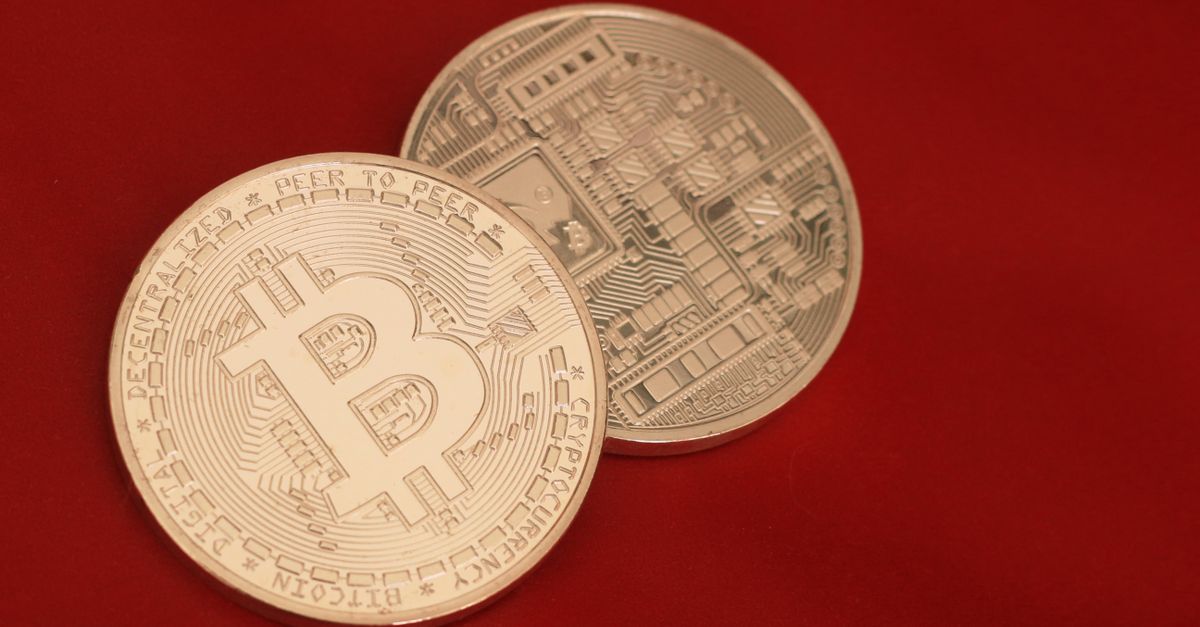
Photo by Daniel Dan on Pexels
Executive summary
According to a CryptoPotato report, Bitcoin experienced significant volatility, peaking above $67,000 before retracing to support near $62,000 on Friday. The initial rally was driven by expectations surrounding a potential US-Iran agreement, but momentum stalled following a hawkish FOMC meeting led by Kevin Warsh, where interest rates were maintained. Concerns over potential treasury liquidation pressures further depressed prices. However, a subsequent ceasefire announcement between Israel and Lebanon helped stabilize the market, lifting Bitcoin to its current level of $63,631 (up 1.7% in the last 24 hours).
While Bitcoin's 7-day performance remains flat (-0.1%), select altcoins have capitalized on the stabilization. Solana (SOL) has led the large-cap recovery, rising 5.3% in 24 hours to trade at $71.82, bringing its 7-day gains to +6.7%. Ethereum (ETH) also showed resilience, climbing 2.1% to $1,726. Conversely, privacy assets and specific utility tokens like Monero (XMR) and Worldcoin (WLD) faced downward pressure, indicating a highly selective allocation of capital rather than a broad-based altcoin season.
Crucially, this recovery must be evaluated against trading volume. Without a sustained expansion in spot trading volume, the current rebound risks being a low-liquidity weekend anomaly. The total crypto market capitalization sits at $2.27T, with Bitcoin dominance holding at 56.1%, reflecting a market that remains heavily anchored to BTC's macro direction. This structure suggests that while altcoins can post short-term gains, their medium-term trajectory is entirely dependent on Bitcoin establishing a firm base.
Why it matters
From a capital flows perspective, the divergent performance between SOL (+5.3%) and assets like WLD (which reportedly slipped to $0.60) highlights a fragmented liquidity environment. Capital is not flowing freely down the risk curve; instead, it is concentrating in highly liquid, established Layer-1 ecosystems. SOL's ability to reclaim the $70 level on moderate-to-high trading volume suggests that institutional and retail spot buyers are treating SOL as a primary beta play on Bitcoin's stabilization. This concentration of capital indicates that investors are risk-averse, preferring established ecosystems over speculative utility tokens.
The liquidity impact of the hawkish Fed stance cannot be understated. Kevin Warsh's hawkish tone and the decision to maintain rates act as a direct headwind for risk assets by keeping the cost of capital high. This macro backdrop limits the availability of sideline stablecoin liquidity to drive a sustained breakout. Furthermore, the rumored selling pressure from large entities (such as MicroStrategy, as noted in market reports) creates a structural overhang. Even if these fears are exaggerated, they alter market-maker behavior, leading to thinner order books and exacerbated price swings on low weekend trading volume.
Ultimately, the current market structure is characterized by high leverage sensitivity. The rapid liquidations seen during the drop to $62,000, followed by short-covering on the ceasefire news, point to a derivatives-driven market. For the recovery to transition into a structural uptrend, we must observe a transition from leverage-fueled spot buying to organic, long-term spot accumulation, accompanied by rising daily trading volumes across major spot exchanges. Without this volume confirmation, the current price action remains highly vulnerable to sudden reversals.
What to watch — next 72 hours
Tick off what you've already checked — saved on this device.
Bottom line
The most likely outcome is a neutral consolidation (55% probability) for Bitcoin between $62,000 and $65,500, with Solana stabilizing around $70. The single biggest risk is a sudden macro shock or institutional liquidation event that breaks the $62,000 support. The key metric to watch over the next 72 hours is spot trading volume on major exchanges to confirm if this rebound has institutional backing or is merely a low-liquidity weekend bounce.
Tagged
Verified coin links
Matched to the highest-ranked CoinGecko listing — always double-check the contract address before trading; impostor tokens reuse real names.
Evidence & Sources
How we reached this analysis — traceable to verifiable data, not model guesswork.
- Primary source
- CryptoPotato
- Verified data
- Historical moves checked against real Coinbase price data (3 events).
- Track record
- Graded against the real market move when we still published forecasts. We stopped — see how we work now. .
- AI confidence
- 75/100 — an estimate, not a guarantee.
- Published
- Jun 20, 2026 · accuracy last checked Jul 21, 2026
For information and analysis only — not financial advice. We are an analysis platform, not a broker, financial adviser, or seller of any asset, and we never tell you to buy or sell. Our scenario probabilities are editorial estimates developed through a combination of data analysis, automated research tools, source verification, and human editorial oversight. They may be incorrect and are not investment recommendations. Crypto is high-risk and you can lose everything — always conduct your own research before making financial decisions.
More analysis
Related analysis

Bitcoin Rally Pushes Price Towards $80,000 Amid Broader Market Gains
Bitcoin is nearing $80,000 after a three-day rally, with Ethereum also showing strong performance. This surge appears driven by a mix of political developments, Treasury actions, ETF inflows, and short covering.

What Does Trump's Hyperliquid Comment Mean for US Crypto Derivatives?
Former President Trump stated that the CFTC is working to bring Hyperliquid, an offshore perpetual futures platform, into the US in a compliant manner. This comment, made during a meeting with crypto industry leaders, sparked significant market reaction, including price surges for related tokens and substantial short liquidations.

Bitcoin Breaks $70K as Crypto Market Cap Swells
Bitcoin surged past the $70,000 mark, reaching a two-month high. This rally propelled the total cryptocurrency market capitalization by over $200 billion in less than 24 hours, with major altcoins like Ethereum and HYPE also experiencing significant gains.

Grayscale Identifies Potential Altcoin Winners Under New US Token Rules
Grayscale has highlighted Ethereum, Solana, and BNB as altcoins that may see advantages from evolving US token regulations, particularly concerning fundraising. This analysis suggests a potential shift in regulatory clarity could revive token issuance and benefit established ecosystems.

FalconX and Interstice Bridge Canton to Public Chains: A Catalyst for Institutional Liquidity or Foundational Infrastructure?
Interstice Digital, with FalconX, has launched a non-custodial cross-chain swap engine linking Canton Network's institutional tokenized assets to public blockchains like Ethereum and Solana. While this creates a critical technical bridge for institutional liquidity, the immediate market impact on public chain tokens is expected to be limited, pending disclosed assets and transaction volumes.

Tokenized Equities Triple Market Share: A Catalyst for RWA Protocols or Niche Growth?
Tokenized equities have tripled their market share to 15%, reaching $2.8 billion, driven by platforms like Ondo and Binance. While this highlights growing interest in Real World Assets (RWAs), the modest absolute market size suggests a contained immediate impact on the broader crypto market, with potential for specific RWA tokens.